
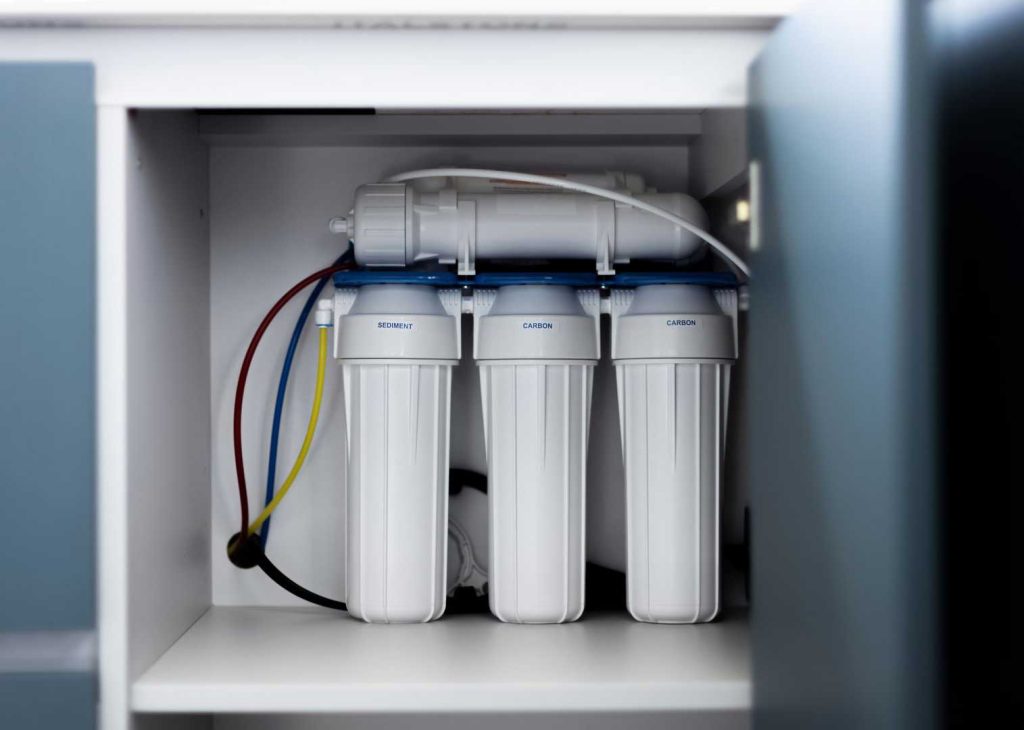
Water filtration installation gives Tomball, TX homeowners cleaner, better-tasting water by removing chlorine, sediment, and other contaminants before water reaches the tap. Tomball draws its water from groundwater sources that, while treated, can carry residual chemicals, sediment, and mineral content that affect both taste and safety.
If you notice a chlorine smell at the tap, slight discoloration in a glass of water, or have ongoing questions about your municipal supply, you are not alone. For families in Canyon Gate at Northpointe and along FM 2920, a professionally installed water filtration system is one of the most practical home upgrades available. Here are five reasons Tomball homeowners are making the investment.
Key Points
- Water filtration installation removes chlorine, chloramines, sediment, and other contaminants that municipal treatment leaves behind.
- Filtered water tastes and smells cleaner at every tap and in coffee, ice, and cooked food.
- A filtration system costs a fraction of bottled water per gallon and reduces wear on appliances.
- Filtered tap water cuts single-use plastic bottles out of your household routine.
- Most systems only need filter changes every six months to a year, depending on the system and water use.
1. Removes Harmful Contaminants for a Healthier Tomball Home
Water filtration removes contaminants that municipal treatment leaves behind. Treatment removes many contaminants, but it does not eliminate everything. Chlorine and chloramines used for disinfection remain present at the tap. Sediment, heavy metals, and trace levels of pesticides or industrial compounds can also reach residential water supplies, particularly in areas with older infrastructure or nearby agricultural activity.
These concerns are especially relevant in Tomball, TX, where rural and suburban land uses sit close together. A properly specified system from our water filtration installation team targets contaminants based on what is actually in your local water supply. The result is water that is safer to drink and gentler on skin and digestion. For families with young children, elderly members, or anyone with a compromised immune system, the health case for filtration is particularly strong.
2. Noticeably Better Taste and Odor
Filtered water tastes and smells cleaner because the system removes the compounds behind off flavors. Taste and odor are the most noticeable signs of water quality, and they are often what pushes homeowners to look into filtration. Chlorine, sulfur compounds, and sediment all make tap water less appealing to drink, cook with, or use for coffee and tea.
In our service calls throughout Tomball, we hear this concern from homeowners who have simply gotten used to reaching for bottled water instead. A filtration system produces water that tastes clean and neutral from every tap in your home. Meals taste better, and coffee makers and ice machines benefit from water free of the mineral buildup and chemical residue that affect their output over time.
3. Long-Term Cost Savings Over Bottled Water
A water filtration installation costs far less per gallon than bottled water over the life of the system. A household that spends twenty to thirty dollars per week on bottled water spends well over a thousand dollars a year on something a filtration system provides continuously. That gap widens every year the system stays in service, and most quality filtration systems last a decade or more with routine filter maintenance.
Filtration also reduces the wear that sediment-laden water puts on household appliances. Dishwashers, water heaters, and washing machines run more efficiently and last longer when they are not processing water loaded with sediment and residue. Working in homes across Tomball, we consistently see how water quality affects appliance longevity.
Filtration and softening solve different problems. A filter targets contaminants, taste, and odor, while a softener removes the hardness minerals that cause scale. Pairing your filter with a water softener installation covers both and extends the benefits further.
4. Reduced Plastic Waste and Environmental Impact
Filtered tap water removes a large volume of single-use plastic bottles from your household’s yearly routine. For environmentally conscious homeowners in Tomball, TX, that reduction is a meaningful part of the decision. Bottled water production is resource-intensive, and most plastic drinking water bottles do not get recycled effectively.
The benefit builds over time. A family of four that drops its bottled water habit through filtration removes thousands of plastic bottles from circulation over the life of the system, with no ongoing effort beyond keeping filters on schedule.
5. Convenient Maintenance and Long-Term Reliability
A professional water filtration installation needs very little ongoing attention. Filter replacement intervals typically range from six months to a year depending on the system type and household water use, and the swap itself is simple. The system runs in the background without adjustment or monitoring between service intervals.
Long-term reliability starts with professional installation and proper sizing. A system configured for your home’s water chemistry and flow demands performs consistently for years. Routine plumbing maintenance visits are a good time to inspect filtration components alongside the rest of your plumbing.
Which Water Filtration System Is Right for Your Tomball Home?
The right water filtration installation depends on what is in your water and where you want filtered water. Most homes choose between filtering every tap or filtering one location:
| System Type | What It Does | Best For |
| Whole-house (point-of-entry) | Filters water where it enters the home, so every tap and appliance gets filtered water | Chlorine taste and odor, sediment, and protecting fixtures and appliances |
| Under-sink (point-of-use) | Filters water at a single faucet, usually in the kitchen | Drinking and cooking water |
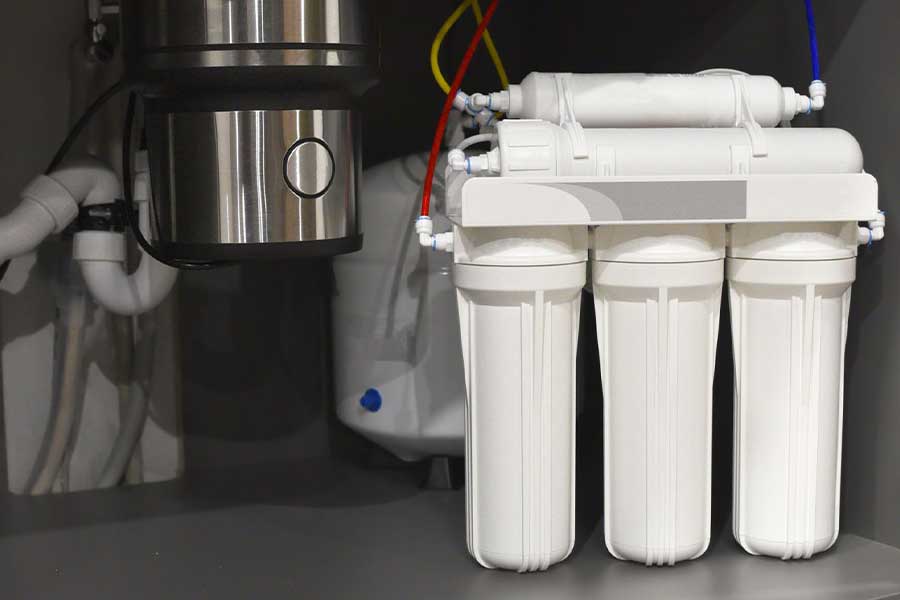
| Reverse osmosis | Pushes water through a fine membrane, usually installed under the kitchen sink | Removing dissolved contaminants from drinking water |
The filter media matters too. Carbon filters usually handle chlorine taste and odor, sediment filters catch sand and rust particles, and reverse osmosis typically targets dissolved contaminants that basic filters miss.
How Do You Know What’s in Your Tomball Water?
Your water utility’s annual water quality report is the best place to start. Under the Safe Drinking Water Act, community water systems publish a Consumer Confidence Report that lists the contaminants detected in your supply. That report, combined with what you notice at the tap, guides which filtration system fits your home.
Watch for these signs that your home could benefit from water filtration:
- Chlorine Smell: A pool-like smell at the tap usually points to residual disinfectant from municipal treatment.
- Discoloration: Cloudy or tinted water in a glass often signals sediment in the supply.
- Off Taste: Your family reaches for bottled water instead of the tap.
- Appliance Residue: Buildup on coffee makers and ice machines often means minerals and residue are reaching your fixtures.
What Happens During Water Filtration Installation?
Professional water filtration installation follows a simple process:
- Water Assessment: We review your water concerns and what is in your local supply.
- System Recommendation: We recommend a system sized for your home’s water chemistry and flow demands, with an upfront price before any work begins.
- Installation: Our licensed plumbers install the system and connect it to your plumbing.
- Testing and Walkthrough: We check for leaks and proper flow, then show you how filter changes work.
Water Filtration Installation FAQs for Tomball Homeowners
Do I need a water filter if Tomball’s water is already treated?
Municipal treatment removes many contaminants, but not all of them. Chlorine and chloramines used for disinfection remain at the tap, and sediment and trace compounds can enter through older infrastructure. A water filtration system removes these before water reaches your glass, which improves taste, odor, and peace of mind for Tomball families.
How often do you change filters in a home water filtration system?
Filter replacement intervals typically range from six months to a year, depending on the system type and your household’s water use. Changing a filter is a simple task, and the system runs on its own between changes. You can also have filtration components checked during routine plumbing maintenance visits.
What is the difference between a water filter and a water softener?
A water filter removes contaminants such as chlorine, sediment, and trace chemicals that affect taste, odor, and safety. A water softener removes the hardness minerals that cause scale on fixtures, pipes, and appliances. Filtration alone does not target hardness minerals, so many homeowners pair both systems to protect their water quality and their plumbing.
Is water filtration installation worth the cost compared to bottled water?
Water filtration installation pays off for most households that buy bottled water regularly. A family spending twenty to thirty dollars per week on bottled water spends well over a thousand dollars a year, while a quality filtration system can last a decade or more with routine filter maintenance. Filtration also cuts plastic waste and reduces wear on water-using appliances.
Cleaner Water for Your Tomball Home Starts Here
Water quality affects every part of daily life, from the first glass in the morning to the meals you make at night. For Tomball homeowners who want reliable, great-tasting water without the cost and waste of bottled water, professional water filtration installation is the most effective long-term solution. The benefits are immediate, the maintenance is minimal, and the value builds over time.
Bear’s Plumbing is a local, family-owned plumber serving Tomball, TX, licensed under Texas RMPL36236 and in business since 2005. You get upfront pricing, on-time service, and workmanship guaranteed. Call the office or contact our team today to book a consultation and get an upfront price on the right water filtration system for your household.